

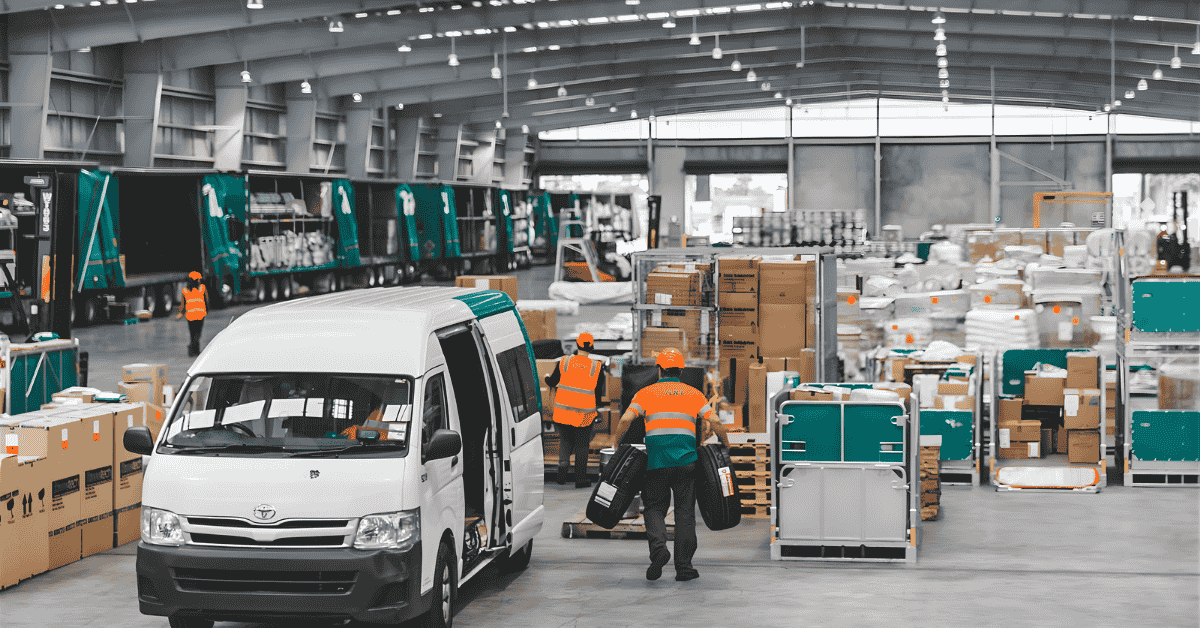
The warehousing and distribution sector in New Zealand is booming in 2026 as e-commerce, retail, and global trade continue strong. Major logistics employers like Mainfreight and Toll Group NZ are actively recruiting for a range of warehouse and distribution roles — including warehouse assistants, forklift drivers, pick-packers, dispatch crew, and logistics support staff.
This guide covers job roles, skills, eligibility, pay scales, how to apply, training opportunities, and tips to help you enter or grow your career in this high-demand industry.
1. Why Warehousing & Distribution Jobs Are in Demand (2026)
Warehousing and distribution are core to New Zealand’s supply chain — handling storage, sorting, order fulfilment, and transport of goods for sectors such as:
- Retail & e-commerce
- Manufacturing
- FMCG (Fast-Moving Consumer Goods)
- Automotive
- Industrial supplies
Growing online shopping and international freight traffic mean logistics companies need reliable workers across warehouse operations, equipment operation and coordination functions.
2. Major Employers Hiring in 2026
A) Mainfreight
A leading logistics provider with distribution centres across New Zealand. Mainfreight offers domestic and international freight services, integrated warehousing, and supply chain solutions.
Typical roles include:
- Warehouse Assistant
- Forklift / Counterbalance Operator
- Pick-Pack Staff
- Dispatch / Dock Crew
- Inventory & Receiving Support
- Logistics Assistants
B) Toll Group NZ
A major logistics and supply chain company supporting freight, transport and warehousing solutions across NZ and Australia. Toll operates warehousing hubs with high throughput and diverse freight handling.
Roles commonly recruited:
- Warehouse Team Members
- Materials Handlers
- Forklift Drivers
- Order Pickers / Packers
- Inventory Control Assistants
- Yard Logistics Crew
3. Key Warehouse & Distribution Job Roles (2026)
A) Warehouse Assistant
What You Do
- Load and unload goods
- General housekeeping and safety compliance
- Support receiving, stocking and picking stages
- Maintain clean storage areas
Skills & Traits
✔ Team player
✔ Strong work ethic
✔ Physical fitness
B) Forklift Driver / Materials Handler
What You Do
- Operate forklifts, pallet jacks and other equipment
- Move pallets and heavy loads safely
- Stage and organise inventory
- Load/unload transport vehicles
Skills & Traits
✔ Valid forklift licence (advantageous)
✔ Awareness of safety procedures
✔ Good coordination
C) Pick-Packer (Order Fulfilment)
What You Do
- Pick inventory for orders using scanners/POS systems
- Pack goods securely for shipping
- Label and verify items
- Work to speed and accuracy targets
Skills & Traits
✔ Fast and reliable
✔ Attention to detail
✔ Comfortable with repetitive tasks
D) Logistics Support Staff
What You Do
- Assist with scheduling and tracking shipments
- Prepare delivery manifests
- Input data into warehouse management systems
- Coordinate with transport teams
Skills & Traits
✔ Basic computer literacy
✔ Communication skills
✔ Logical thinking
E) Dispatch & Shipping Crew
What You Do
- Prepare orders for dispatch
- Check delivery information and manifests
- Organise loading of freight vehicles
Skills & Traits
✔ Strong organisational skills
✔ Accuracy under pressure
4. Eligibility & Skills Requirements
Basic Eligibility
✔ Minimum age: 18 years
✔ Right to work: NZ citizen, resident, or valid work visa
✔ English communication skills (for safety and instructions)
✔ Good physical stamina for active roles
Skills That Boost Hireability
- Forklift licence / Counterbalance licence – strong advantage
- Experience with warehouse management systems (WMS)
- Basic inventory control or stock-taking experience
- Good teamwork and safety awareness
- Ability to work rotating shifts (including nights/weekends)
Most employers provide paid on-the-job training, especially for entry-level roles.
5. Estimated Salary Guide – Warehousing & Distribution NZ 2026
| Role | Approx Salary (Annual NZD) |
|---|---|
| Warehouse Assistant | $45,000 – $60,000 |
| Pick-Packer | $42,000 – $58,000 |
| Forklift / Materials Handler | $48,000 – $70,000 |
| Logistics Support Staff | $50,000 – $75,000 |
| Dispatch / Shipping Crew | $45,000 – $62,000 |
| Senior / Team Lead | $60,000 – $85,000 |
Pay can vary based on location, shift type, experience and whether forklift or specialised licences are held.
6. Work Environment & Shifts
Warehouses often operate extended hours, which may involve:
- Day shifts
- Afternoon/evening shifts
- Night shifts
- Weekend rotations
Expect an active environment with manual tasks, scanning terminals, picking carts, forklifts and teamwork coordination. PPE (safety boots, hi-vis vests, gloves) is usually required.
7. How to Apply – Step-by-Step (2026)
Step 1 – Prepare Your NZ-style CV
Include:
- Contact details
- Work experience (if any)
- Licences (forklift, first aid)
- Skills and availability
- References (if available)
Step 2 – Search for Job Openings
Look on:
✔ Mainfreight Careers (official portal)
✔ Toll Group NZ Jobs
✔ SEEK NZ
✔ Indeed NZ
✔ LinkedIn Jobs
✔ Jora NZ
Search with keywords like:
“warehouse jobs NZ”, “forklift operator NZ”, “pick packer logistics NZ”.
Step 3 – Apply Online
Submit your CV and cover note tailored to the role — highlight any licences, team experience or safety training.
Step 4 – Interview & Assessment
You may be invited for:
- Phone interview
- On-site interview
- Practical forklift or inventory assessment
Bring your licences and references to interviews.
8. Training & Support Opportunities (2026)
Many companies and recruitment providers offer:
✔ Paid on-the-job training
✔ Forklift certification support
✔ Safety and compliance induction
✔ Career development pathways
✔ Recognition of prior learning (for experienced workers)
You may also access support services through government or community employment centres for training subsidies or placement support.
9. FAQs – Warehousing & Distribution Jobs 2026
Q1. Do I need a forklift licence?
Not always — but a forklift licence strongly improves your chances, especially for materials handling roles.
Q2. Are shifts flexible?
Warehouses often require rotating shift availability including nights or weekends.
Q3. Can I start with no experience?
Yes — many positions are open to entry-level workers with on-site training.
Q4. Are there career progression paths?
Yes — e.g., Warehouse Assistant → Picker/Pack Leader → Inventory Coordinator → Team Leader.
Q5. Do employers provide training?
Yes — safety induction and equipment training are often provided at no cost.
10. Tips to Boost Your Hiring Chances
✔ Get a forklift licence if possible
✔ Highlight teamwork and safety in your CV
✔ Be clear about your shift availability
✔ Follow up promptly after applying
✔ Prepare for practical or skills assessments
Conclusion
Warehousing & distribution jobs at Mainfreight, Toll Group NZ and other logistics employers in 2026 offer solid career opportunities for people at all experience levels — from warehouse assistants and pick-packers to forklift drivers, logistics support staff and dispatch crew.
With strong demand, on-the-job training, and career progression pathways, this sector remains one of the most accessible and resilient employment areas in New Zealand.
DISCLAIMER
This blog is informational and outlines typical roles, eligibility, salaries and application tips for warehousing and distribution jobs in 2026. Individual job requirements, pay rates, and openings vary by employer, location and time. Always check official career portals and verified job listings before applying.
