

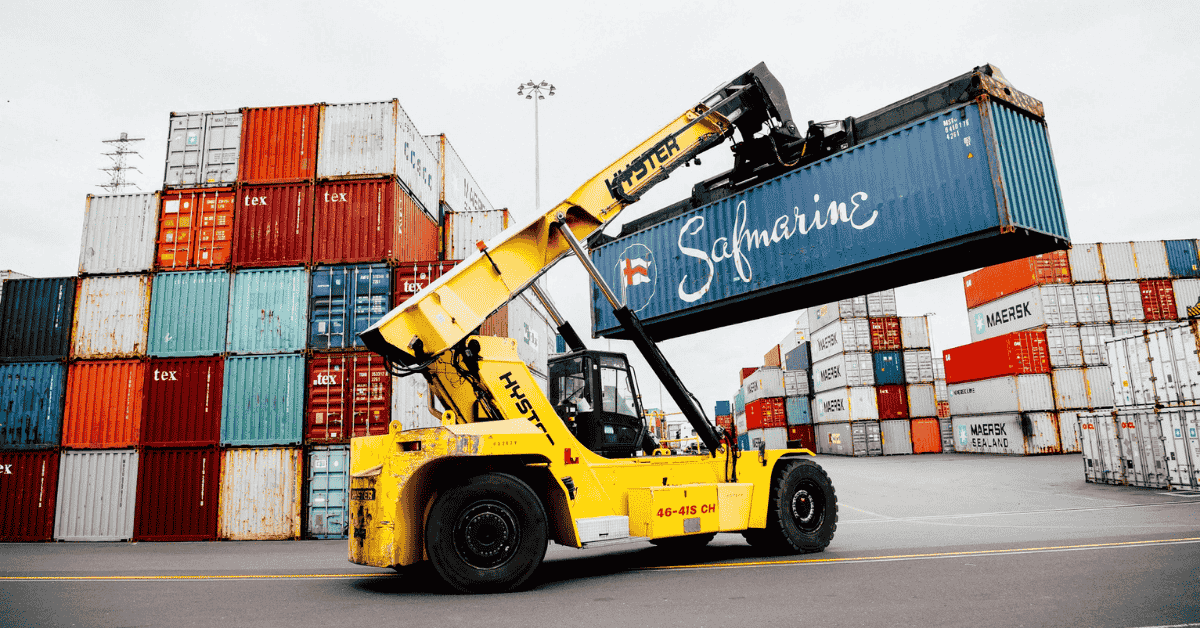
The port and cargo handling industry in New Zealand is a major driver of trade and logistics, moving goods between ships, trucks, and rail. In 2026, ports in key centres such as Auckland and Tauranga are actively hiring for a range of roles including crane operators, cargo handlers, terminal operators, wharf labourers and stevedores. Whether you’re experienced or just starting out, there are opportunities to build a solid career in port operations.
1. What Are Port Operations Jobs?
Port operations involve all activities required to move cargo safely and efficiently at sea ports. These roles are essential to New Zealand’s export–import system and include:
- Crane Operators / Straddle Crane Operators – Move containers and cargo using heavy machinery.
- Cargo Handlers / Stevedores – Load, unload and stack goods at wharves.
- Terminal Operators / Planners – Coordinate cargo flow, equipment and labour.
- Port Labour / Wharf Crew – Assist with general port duties, cargo handling and deck team support.
Jobs can be full-time, casual or shift-based, often on a 24/7 roster, and may require heavy lifting, machinery operation and teamwork in dynamic industrial settings.
2. Key Roles & Responsibilities (2026)
A) Crane Operator
Role:
Operate cranes (e.g., ship’s cranes or straddle carriers) to lift, move and stack containers and cargo. Training is often provided, though experience may lead to higher pay.
Tasks:
- Operate heavy cargo cranes safely
- Position containers and freight accurately
- Communicate with deck crews/ground teams
Skills:
✔ Mechanical aptitude
✔ Focus on safety procedures
✔ Ability to work rotating shifts
B) Cargo Handler / Stevedore
Role:
Assist with loading/unloading cargo from vessels, often using forklifts or manual tools. A stevedore job may involve working outdoors in all weather conditions.
Tasks:
- Secure cargo for transport
- Unload goods from vessels/trucks
- Support container movement within the port
Skills:
✔ Physical fitness
✔ Teamwork and safety awareness
C) Terminal Operator / Vessel Planner
Role:
Coordinate cargo, labour and equipment to ensure vessels are serviced efficiently and schedules are kept.
Tasks:
- Plan container placement and vessel turnaround
- Manage cargo documentation
- Liaise with logistics and operations teams
Skills:
✔ Organisation and planning
✔ Basic computer literacy
✔ Coordination under pressure
D) Wharf Labour / Port General Worker
Role:
General support roles assisting with wharf operations, moving cargo and aiding specialised teams. Training may be provided to entry-level candidates.
Tasks:
- Assist specialists on the dock
- Prepare cargo areas
- Follow safety instructions
Skills:
✔ Positive work ethic
✔ Safety-focused
✔ Flexible and reliable
3. Eligibility & Skills (2026)
Basic Requirements
✔ Minimum age: 18 years
✔ Right to work in New Zealand (citizen, resident, or valid work visa)
✔ Safety awareness and physical stamina
✔ Good communication skills for team coordination
Preferred Skills / Licences
- Heavy machinery or crane tickets (advantageous)
- Forklift licence for cargo movement roles
- Basic computer and planning skills for terminal roles
- Willingness to work shift patterns including nights and weekends
Training Pathways
Many employers provide training on the job, and formal qualifications like the New Zealand Certificate in Port Operations (Heavy Machine Operation) help career progression.
4. Salary Overview (2026)
Port operations pay is usually hourly or salary based, and can vary depending on experience and role level. Approximate ranges include:
| Role | Typical Pay (NZD) |
|---|---|
| Wharf Labour & Cargo Handler | ~$22 – $30 per hour* |
| Crane / Straddle Crane Operator | ~$30 – $35+ per hour* |
| Terminal Operator / Planner | $55,000 – $80,000+ per year* |
| Stevedore (entry to mid) | ~$49,000 – $80,000+ per year* |
Indicative figures based on industry trends; actual pay can vary by employer, location and role responsibilities.
5. How to Apply – Step-by-Step (2026)
Step 1: Prepare a NZ-style CV
Include:
- Contact details
- Work experience (if any)
- Licences (forklift/crane)
- Physical fitness and safety training
- Availability for shifts
Step 2: Search Port Job Listings
Look on official port employer pages and major job boards like Seek NZ for roles such as:
✔ Crane Operator
✔ Cargo Handler / Stevedore
✔ Terminal Operator
✔ Wharf Labour
Step 3: Apply Online
Attach your CV and any certificates, then submit your application.
Step 4: Interview & Assessment
Expect practical questions about safety and teamwork; some roles may involve demonstrations or machine assessments.
Step 5: Onboarding & Training
Successful applicants will often receive:
- Safety induction
- Job-specific operation training
- PPE and shift schedules
6. Tips to Boost Your Hiring Chances
✔ Highlight any machine operation licences (crane, forklift)
✔ Emphasise teamwork and safety culture in your application
✔ Be clear about your availability for shifts
✔ Get training like the Port Operations Certificate to improve prospects
7. FAQs – Port Operations Jobs 2026
Q1. Do I need qualifications before applying?
Not always — many ports hire entry-level labour and train on the job, though certifications help.
Q2. Are these shift-based jobs?
Yes, ports often operate 24/7 with day and night shifts.
Q3. Is physical fitness required?
Yes — cargo handling and wharf labour require good physical condition.
Q4. Can internationals apply?
Yes — provided you have the right to work in New Zealand and meet employer requirements.
Conclusion
Port operations careers in Auckland and Tauranga are active in 2026, with roles ranging from entry-level wharf labour and cargo handling to specialised crane and terminal operations. With on-the-job training, structured career paths and strong demand in New Zealand’s logistics sector, these roles offer stable employment and skills development for both newcomers and experienced workers.
Disclaimer
This article is for informational purposes only and reflects typical port job roles, eligibility requirements, and market trends in New Zealand for 2026. Specific vacancies, pay scales and requirements may vary by employer and location. Always verify details through official job listings and port employer career pages before applying.
