

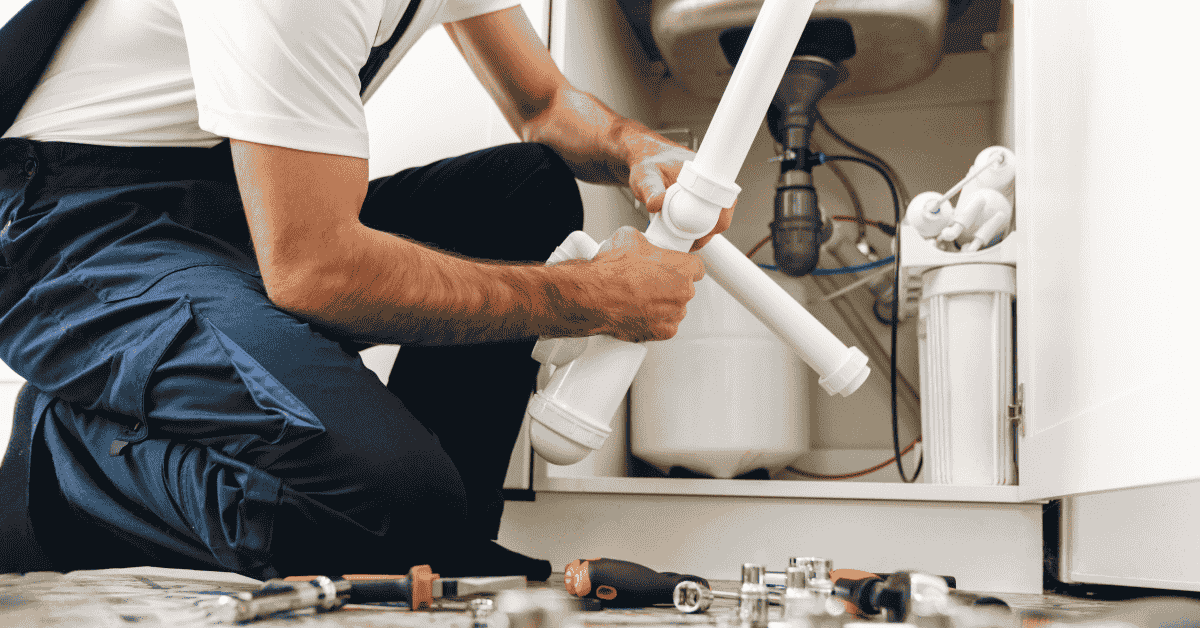
The construction and industrial services sector in New Zealand continues to grow rapidly in 2026, driving strong demand for skilled tradespeople and support staff. Plumbing and gas fitting jobs — including plumbers, pipefitters, plumbing helpers, gas fitting technicians, and service personnel — are especially in demand at major construction firms like Hawkins, Naylor Love, and numerous local contractors across the country.
This comprehensive guide covers job roles, eligibility, skills, expected pay, application steps, training pathways, and tips to help you succeed in the plumbing and gas fitting job market.
1. Overview – Why Plumbing & Gas Fitting Jobs are in Demand
Plumbers and gas fitters are essential tradespeople in both residential and commercial construction, responsible for:
- Installing water systems, drainage, and sewerage
- Fitting and maintaining gas lines and appliances
- Ensuring workplace safety and compliance with NZ standards
- Supporting building projects from start to finish
With infrastructure growth, housing projects, commercial developments, and maintenance work continuing strong in 2026, demand for quality plumbing trades and helpers remains high.
2. Top Employers Hiring in 2026
A) Hawkins
One of New Zealand’s leading construction companies, operating nationwide on large residential, commercial, and infrastructure projects.
Plumbing & Gas Jobs May Include:
- Licensed Plumbers
- Gas Fitters
- Plumbing Technicians
- Pipefitters
- Trade Assistants / Helpers
Why it’s attractive:
✔ Large, long-term projects
✔ Structured training and progression
✔ Excellent safety systems
B) Naylor Love
A major construction and building services group with diverse projects including education, health, commercial and mixed-use builds.
Roles commonly hired:
- Plumbing Installers
- Gas Service Technicians
- Pipe Installation Crews
- On-site Support Staff
What stands out:
✔ National presence
✔ Exposure to modern build methods
✔ Opportunity to upskill on major builds
C) Local Plumbing & Gas Contractors
These include small-medium sized firms operating across towns and cities — handling:
- Residential fit-outs
- Maintenance service calls
- Renovation work
- Gas appliance servicing
Benefits:
✔ Community-based work
✔ Flexible roles
✔ Great for apprenticeships
3. Plumbing & Gas Fitting Jobs You Can Apply For (2026)
1) Licensed Plumber
Role:
Install and repair water, drainage, and sanitary systems in homes and commercial properties.
Skills Required:
- Drainlaying and piping knowledge
- Fixture fitting
- NZ plumbing code compliance
2) Gas Fitter / Gas Technician
Role:
Install and service gas lines, meters, heaters, and appliances.
Skills Required:
- Gas safety & compliance training
- Leak testing
- NZ Gas Fitting standards
3) Pipefitter
Role:
Work on larger diameter, high-pressure pipes in commercial or industrial settings.
Skills Required:
- Welding and bending
- Precision measuring
- Reading technical drawings
4) Plumbing Helper / Trade Assistant
Role:
Support licensed plumbers in installation, pipe cutting, site clean-up, and materials handling.
Skills Required:
- Physical stamina
- Willingness to learn
- Good safety awareness
Great entry point into the trade.
5) Plumbing Technician / Service Person
Role:
Perform maintenance, repair diagnostics and service plumbing systems or gas appliances.
Skills Required:
- Problem solving
- Basic system troubleshooting
- Customer service
4. Skills & Eligibility – What Employers Look For
Basic Eligibility
✔ Must be 18+
✔ Right to work in New Zealand (citizen/PR/work visa)
✔ Basic English communication skills
✔ Strong safety awareness
Trade Qualifications
✔ Certificate of Plumbing (Level 4/5) — preferred
✔ Gas Fitting Endorsement — required for gas roles
✔ Relevant trade experience or apprenticeship
✔ NZQA or equivalent accreditation is highly valued
Helpers can start with no formal trade quals but must be willing to train on the job or enroll in technical courses.
5. Skills That Help You Land the Job (2026)
Technical Skills
- Fixture installation (sinks, toilets, showers)
- Pipe assembly (PVC, copper, steel)
- Gas leak detection & pressure testing
- Welding or brazing (for pipefitters)
Soft Skills
✔ Teamwork & coordination
✔ Communication with clients and teams
✔ Time and task management
✔ Problem solving and adaptability
On-site safety certification and basic first aid can also boost your resume.
6. Salary Guide – Plumbing & Gas Fitting Jobs 2026
| Job Role | Approx Annual Pay (NZD) |
|---|---|
| Licensed Plumber | $65,000 – $95,000+ |
| Gas Fitter | $70,000 – $100,000+ |
| Pipefitter | $60,000 – $90,000+ |
| Plumbing Technician | $55,000 – $85,000 |
| Trade Assistant / Helper | $45,000 – $60,000 |
| Site Supervisor (Senior) | $80,000 – $115,000+ |
Pay figures can vary by region, employer, experience and whether work is residential, commercial or industrial.
7. Work Environment & Conditions
- Work locations include construction sites, residential properties, commercial buildings and industrial facilities.
- Shift patterns can include early starts and some weekend service work.
- Work can be physically demanding, often involving lifting, kneeling, working in tight spaces, and climbing.
- PPE (boots, gloves, eye protection, hi-vis) is standard.
8. How to Apply – Step-by-Step (2026)
Step 1: Prepare Your CV
Include:
- Trades certificates/licenses
- Apprenticeship details
- Tools and equipment experience
- Contactable references
Step 2: Search for Jobs
Look on:
✔ Company career pages: Hawkins, Naylor Love
✔ Trades-specific job boards (e.g., Trade Me Jobs, Seek NZ)
✔ Recruitment agencies specializing in construction trades
✔ LinkedIn or local contractor listings
Step 3: Submit Application
Upload CV + cover letter highlighting:
- Trade qualifications
- Hands-on experience
- Gas fitting endorsement (if applicable)
Step 4: Interview & Assessment
You may be asked:
✔ About plumbing systems knowledge
✔ Tools and safety experience
✔ Scenario questions (e.g., fixing leaks, gas safety protocols)
Bring certificates and licences to interviews.
Step 5: Hiring & Onboarding
If successful you’ll receive:
- Offer letter & wage details
- Workwear & safety induction
- On-site orientation
9. Training & Career Pathways
Apprenticeships
Start as a plumbing helper, then:
- Complete formal apprenticeship
- Gain qualifications
- Become a licensed plumber or gas fitter
Upskilling
Certifications that help:
✔ Certified Gas Fitter
✔ Pipe Welding/Trade certificates
✔ First Aid & Site Safe training
10. FAQs – Plumbing & Gas Fitting Jobs 2026
Q1. Do I need experience to apply?
Experience helps, but many start as helpers while training.
Q2. What’s the difference between a plumber and pipefitter?
Plumbers mainly handle water/drain systems; pipefitters work on industrial/high-pressure systems.
Q3. Is gas fitting work more specialized?
Yes — gas fitting endorsement/certification is required due to safety regulations.
Q4. Are these jobs shift-based?
Mostly day work, but emergency call-outs or service work may include flexible hours.
Q5. Can international workers apply?
Yes, depending on visa/work rights and accreditation.
11. Tips to Boost Your Hiring Chances
✔ Get on-site safety certification (e.g., Site Safe)
✔ Complete formal plumbing/gas training early
✔ Highlight any apprenticeship experience
✔ Emphasize reliability and problem-solving in interviews
✔ Seek roles at multiple contractors while apprenticeships progress
Conclusion
Plumbing & gas fitting jobs in 2026 represent strong, stable career pathways in New Zealand’s construction and services sector. Whether you’re a licensed plumber, gas technician, pipefitter, or looking to start as a helper, there’s demand at major firms like Hawkins, Naylor Love and across local contractors.
With competitive pay, opportunities for certification, and clear progression paths, these trades offer lifelong employability and skills that are always in demand.
DISCLAIMER
This article is informational and outlines common roles, skills, eligibility and pay ranges for plumbing & gas fitting jobs in 2026. Job availability, salary and requirements vary by employer and location. Always check official job listings and trade accreditation bodies before applying.
