

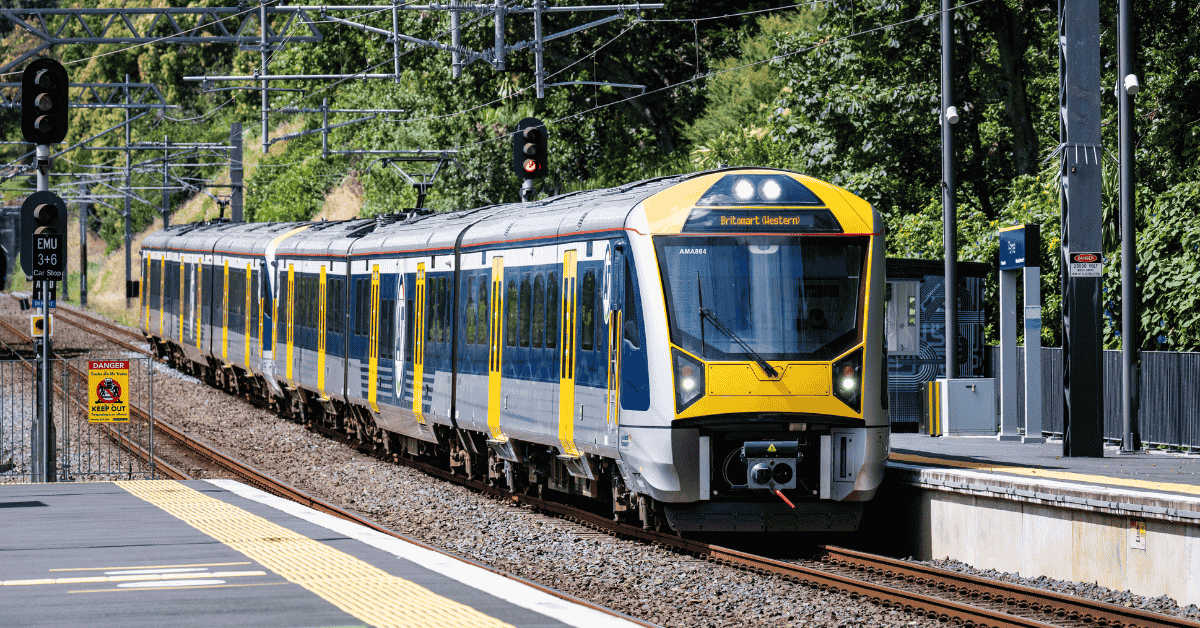
New Zealand’s metro transit systems — including major city services like Auckland Transport, Wellington’s Metlink, and upcoming rapid transit projects in Hamilton and Christchurch — are expanding operations to serve rising commuter demand in 2026. As a result, metro recruitment opportunities are growing for individuals seeking stable careers in public transport operations, customer service, station support, technical roles, and transport planning.
This detailed guide covers key job roles, eligibility, skills and training requirements, how to apply, salary expectations, and tips to improve your chances of being hired under metro recruitment drives in New Zealand for 2026. (Source: career.suntiros.com)
1. What Is Metro Recruitment in New Zealand?
Metro recruitment refers to hiring for various roles that support the functioning of urban transit systems — including trains, buses, light rail (planned in some cities), and integrated transport services. These roles ensure efficient passenger services, safe operations, well-maintained infrastructure, and excellent rider experiences across metro networks.
New Zealand’s metro systems are operated by city authorities and regional councils with support from third-party transport operators. Recruitment is often carried out through official transit career portals or government employment channels.
2. Major Metro Job Roles in 2026
A) Station Attendant / Customer Service Officer
Responsibilities
- Greet and assist passengers
- Provide timetable and transit information
- Sell or validate tickets
- Manage passenger queries and ensure safe boarding
Skills Required
- Strong communication
- Customer service mindset
- Problem-solving
- Ability to work with diverse commuters
Ideal For
- Entry-level candidates
- Those with good communication and interpersonal skills
B) Train / Bus Operator
Responsibilities
- Safely operate trains or buses
- Adhere to transport schedules
- Follow safety procedures and regulations
- Report operational issues
Skills Required
- Valid NZ driver licence (for bus roles)
- Reliability and alertness
- Navigation and route knowledge
- Pleasant passenger communication
Eligibility
- Minimum age requirement (typically 18+)
- Background checks and driver assessments
C) Transit Security & Safety Staff
Responsibilities
- Monitor stations, platforms, and vehicles
- Perform routine inspections
- Manage crowd safety during peak times
- Respond to security incidents
Skills Required
- Attention to detail
- Ability to stay calm in emergencies
- Knowledge of security protocols
Training
- Workplace safety certification
- Conflict resolution and emergency response
D) Technical / Maintenance Technician
Responsibilities
- Repair and maintain rail tracks, signalling, and rolling stock
- Inspect mechanical systems
- Track and log maintenance activities
- Troubleshoot infrastructure faults
Skills Required
- Technical aptitude
- Mechanical or electrical training
- Certified trade qualifications (desired)
Eligibility
- Diploma or degree in engineering or specialised certification
E) Operations & Planning Coordinator
Responsibilities
- Assist in scheduling and dispatching
- Coordinate between departments
- Track service performance
- Support route planning decisions
Skills Required
- Administrative skills
- Basic transport planning knowledge
- Data and reporting tools proficiency
Eligibility
- Diploma or degree in business/operations/transport planning
3. Eligibility Criteria for Metro Jobs (2026)
While eligibility varies by position, general conditions include:
✔ Minimum 18 years of age
✔ Right to work in New Zealand (citizen, resident, or valid work visa)
✔ Minimum educational requirement (typically NCEA Level 2 or equivalent for entry roles)
✔ Relevant certifications or licences where required
✔ Clean criminal record for safety-sensitive roles
✔ Good English communication skills
For technical and specialised roles, additional qualifications (e.g., engineering diplomas, rail trade certificates) and training may be mandatory.
4. Essential Skills & Training (2026)
A) Communication & Customer Service
- Passenger communication
- Conflict resolution
- Public address etiquette
B) Safety & Emergency Training
All frontline metro staff should learn:
- Emergency evacuation procedures
- First-aid basics
- Crowd control during disruptions
C) Technical & Mechanical Skills
For technicians and maintenance:
- Electrical/mechanical systems
- Diagnostic tools usage
- Safety equipment handling
D) Operator-Specific Training
- NZ transport safety rules
- Simulator training (for train operators)
- Route familiarisation
Most transit authorities provide on-the-job training or formal programs after hire to ensure competence and compliance with NZ transport standards.
5. Salary Expectations – Metro Jobs in 2026
Approximate annual salaries (NZD):
| Position | Annual Salary (Estimate) |
|---|---|
| Station Attendant / Customer Service | $45,000 – $60,000 |
| Train / Bus Operator | $55,000 – $75,000 |
| Transit Security Staff | $50,000 – $70,000 |
| Technical / Maintenance Technician | $60,000 – $90,000 |
| Operations Coordinator | $60,000 – $85,000 |
Actual salaries vary by region (Auckland, Wellington, Christchurch), employer, experience, and training level.
Benefits often include:
- Paid training and certification support
- Health and wellness benefits
- Retirement contributions (KiwiSaver eligibility)
- Paid leave and statutory holidays
6. How to Apply for Metro Jobs in New Zealand (2026)
Step 1: Prepare Your CV
Tailor your resume to highlight:
- Communication and teamwork skills
- Relevant technical or customer service experience
- Qualifications and certifications
Step 2: Find Official Job Postings
Check official career pages for:
- Auckland Transport Job Portal
- Wellington Metlink Careers
- Christchurch Metro / Environment Canterbury transport job boards
- NZ government job site (jobs.govt.nz) for transit openings
Step 3: Submit Application
- Upload resume and cover letter
- Complete any online assessments
- Provide copies of qualifications and proof of work rights
Step 4: Attend Interview & Assessments
Shortlisted candidates may be asked to:
- Attend behavioural interviews
- Complete practical simulations (for operators/technicians)
- Undertake background and reference checks
Step 5: Complete Training
Upon selection, candidates typically undergo:
- Induction and safety training
- Job-specific technical training
7. Transit Visas & Work Rights for Overseas Applicants
Non-citizens must have appropriate work visas such as:
A) Skilled Migrant Category Resident Visa
✔ For jobs where New Zealand needs skilled labour
✔ Points-based selection
B) Essential Skills Work Visa
✔ Employer-sponsored pathway
✔ For roles with labour shortages and demonstrable skill match
C) Working Holiday Visa
✔ Young travellers (eligible countries)
✔ Allows temporary work (depending on role)
Note: Transit roles like operators or maintenance may require proof of training/experience to satisfy visa criteria.
8. Top Tips for Applicants (Metro Jobs 2026)
✔ Apply early — roles get competitive quickly.
✔ Show clear customer service experience — especially for station/frontline jobs.
✔ Highlight safety training or certifications.
✔ Prepare for scenario-based interviews (responding to service disruptions).
✔ Follow official transit authority channels — avoid scams or unverified recruiters.
9. FAQs – New Zealand Metro Recruitment 2026
Q1. Do I need experience to apply?
Not always — many entry-level metro jobs accept freshers with good communication skills. Technical and specialised roles require relevant qualifications.
Q2. Are metro jobs shift-based?
Yes — metro systems often run early morning to late night schedules, requiring shift flexibility.
Q3. Can foreigners apply?
Yes — foreign nationals with valid work visas or sponsorship options are eligible.
Q4. Is training provided after selection?
Yes — most employers include on-the-job training and safety certifications.
Q5. How can I track my application?
Transit career portals typically allow online status tracking after application submission.
10. Conclusion
New Zealand metro recruitment in 2026 presents broad opportunities — from customer service and station support to technical and operations roles. With competitive salaries, structured training, and long-term career growth, metro jobs are a strong choice for anyone looking to build a transport sector career in New Zealand.
If you meet the eligibility requirements and are ready to serve commuters in a dynamic and customer-focused environment, now is the time to apply and kick-start your metro career.
DISCLAIMER
This article is provided for informational purposes only and does not replace official recruitment announcements or employer job postings. Job requirements, salaries, training, and eligibility criteria may vary by city, employer, and transit authority, and are subject to change. Always verify details through official metro transit career portals and New Zealand immigration / work rights resources before applying.
