

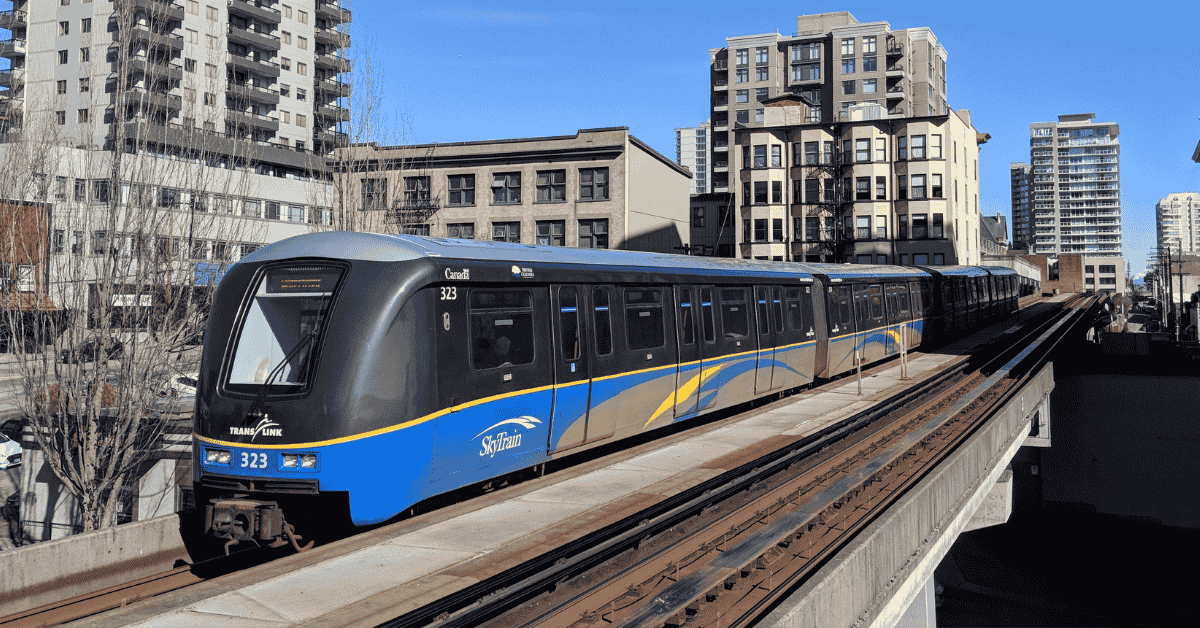
Metro transit jobs in Canada in 2026 offer steady career paths in urban transportation — from station staff and train operators to maintenance, technical, and supervisory roles — across major networks like Metrolinx (Greater Toronto & Hamilton Area), SkyTrain in Vancouver, Calgary Transit, and others. These positions combine operational work, customer service, technical duties, and safety responsibilities for Canada’s expanding transit systems, making them attractive opportunities for both local and skilled international workers.
1. What Are Metro Transit Jobs in Canada?
Canada’s metro and transit systems hire workers to support daily operations of commuter rail, buses, light rail, and rapid transit lines. Depending on the city and employer, metro jobs include:
Common Opportunity Areas
- Station Staff & Customer Service – Assisting passengers, providing information and support
- Train / Transit Operators – Driving trains, buses, or shuttles under strict safety protocols
- Safety & Security Roles – Protecting passengers and assets
- Technical & Maintenance Staff – Keeping vehicles, track, signals, and power systems operational
- Supervisory & Management Roles – Strategy, planning, and transit project leadership
These jobs can be with transit authorities like Metrolinx (Toronto/GO Transit/UP Express) and TransLink (Metro Vancouver SkyTrain) which regularly post vacancies with detailed requirements.
2. Popular Metro Job Roles & What They Do
A) Station Staff / Metro Attendant
Role: Interact with passengers at stations, check fares, provide directions, help with safety procedures, and manage crowds.
Requirements:
✔ High school diploma or equivalent.
✔ Good communication and customer service skills.
✔ Some roles may require a valid driver’s licence.
B) Train / Transit Operator
Role: Safely operate trains, light rail, buses, or shuttles; follow schedules; respond to emergencies; and keep passengers informed.
Typical Salaries:
- Entry-level transit operators: CAD 55,000 – 70,000 per year
- Experienced operators: CAD 70,000 – 85,000+ per year
C) Technical / Maintenance Crew
Role: Maintain and repair vehicles and infrastructure including guideway systems, power networks, heavy equipment, and power distribution.
Wages & Examples:
- Vehicle Technicians: about $61.18/hour (SkyTrain in Vancouver)
- Guideway labour and technicians with trade certifications often command higher rates.
D) Supervisory & Specialist Roles
Higher-level or technical leadership positions — such as safety managers, engineers, or operational planners — often require university degrees (engineering, business, urban planning) and several years of experience. Salaries for these roles can exceed CAD 100,000 per year.
3. Metro Job Salary & Benefits (2026 Estimates)
| Role | Approx Salary (2026) |
|---|---|
| Station Staff | CAD 45,000 – 65,000/yr |
| Train / Transit Operator | CAD 55,000 – 85,000/yr |
| Vehicle / Guideway Technician | CAD 60,000 – 90,000+/yr or higher hourly wages |
| Transit Safety & Supervisors | CAD 75,000 – 120,000+/yr |
| Senior / Management Roles | CAD 100,000 – 193,000/yr |
Benefits often include:
✔ Pension & retirement plans
✔ Healthcare, dental & vision coverage
✔ Paid training and professional development
✔ Transit passes for employees and family (in some regions)
4. Eligibility – Who Can Apply?
General Criteria
- Minimum age: Usually 18 years or older
- Education: High school for entry roles; post-secondary for technical or managerial jobs
- Work Rights: Legal eligibility to work in Canada (citizen, PR, or valid work permit)
- Driver’s Licence: For some operator or technical jobs, a valid provincial licence is required
Additional certification (e.g., CPR/First Aid, safety training, trade qualifications) enhances job prospects, especially for technical and maintenance roles.
5. Training Requirements & Skills
Mandatory/Recommended Training
- On-the-job training provided by many transit employers
- Safety & emergency response training
- Customer service training for front-line roles
- Technical apprenticeships or Red Seal trade certifications for maintenance positions
Useful Skills
- Strong communication and interpersonal skills
- Problem-solving and safety awareness
- Technical aptitude for engineering and maintenance positions
- Flexibility for shift work (including nights/weekends)
6. How Recruitment Works – Step by Step
1) Search & Find Vacancies
Visit official transit careers websites such as:
- Transit authority portals (eg. Metrolinx Careers)
- Regional transit employer pages for Vancouver, Calgary, Toronto
2) Create & Submit Your Profile
Fill in personal, education, and work history details online. Upload required documents.
3) Screening & Testing
Shortlisted candidates may undergo:
- Aptitude or psychometric tests (transit operator screening)
- Interviews
- Practical assessments such as driving or problem-solving tasks
4) Background & Safety Checks
- Criminal record checks
- Medical or physical fitness assessments
- Reference verification
5) Job Offer & Onboarding
Once hired, you’ll complete orientation and mandatory training before starting regular duties.
7. Tips to Improve Your Job Chances
✔ Prepare a professional CV tailored to transit roles.
✔ Include safety and customer service skills early in your resume.
✔ Obtain relevant trade certifications or college diplomas for technical jobs.
✔ Be prepared for shift work and varied schedules.
✔ Stay updated on postings — some transit systems hire periodically throughout the year.
8. Common FAQs – Canada Metro Jobs 2026
Q1. Is experience required for entry-level metro jobs?
Not always — many transit roles accept high school graduates with strong communication skills; technical or managerial roles require experience and certifications.
Q2. Are metro jobs unionized in Canada?
Yes — many metro and transit positions are covered by unions, providing structured pay scales and benefits.
Q3. Can foreign workers apply?
Yes — provided you have legal work authorization or employer sponsorship through Canadian immigration programs.
Q4. Is training paid?
Most employers provide paid training for positions like operator and maintenance staff.
9. Conclusion
Canada’s metro and transit employment sector in 2026 presents a wide range of job opportunities for entry-level workers, skilled technicians, customer service professionals, and transit leaders alike. With competitive salaries, structured training, solid benefits, and career advancement pathways, metro jobs offer reliable and rewarding careers in the public transportation industry.
Whether you’re beginning your work journey or aiming for a specialised technical position, there’s likely a transit career path suited to your skills and ambitions in Canada’s growing urban transit networks.
Disclaimer
This article is intended for informational purposes only and summarizes common types of metro and transit jobs in Canada based on general job postings and employer information. Job requirements, salaries, and recruitment processes vary by region and employer and may change over time. Always verify details through official transit authority career portals and Canadian government work eligibility resources before applying.
