

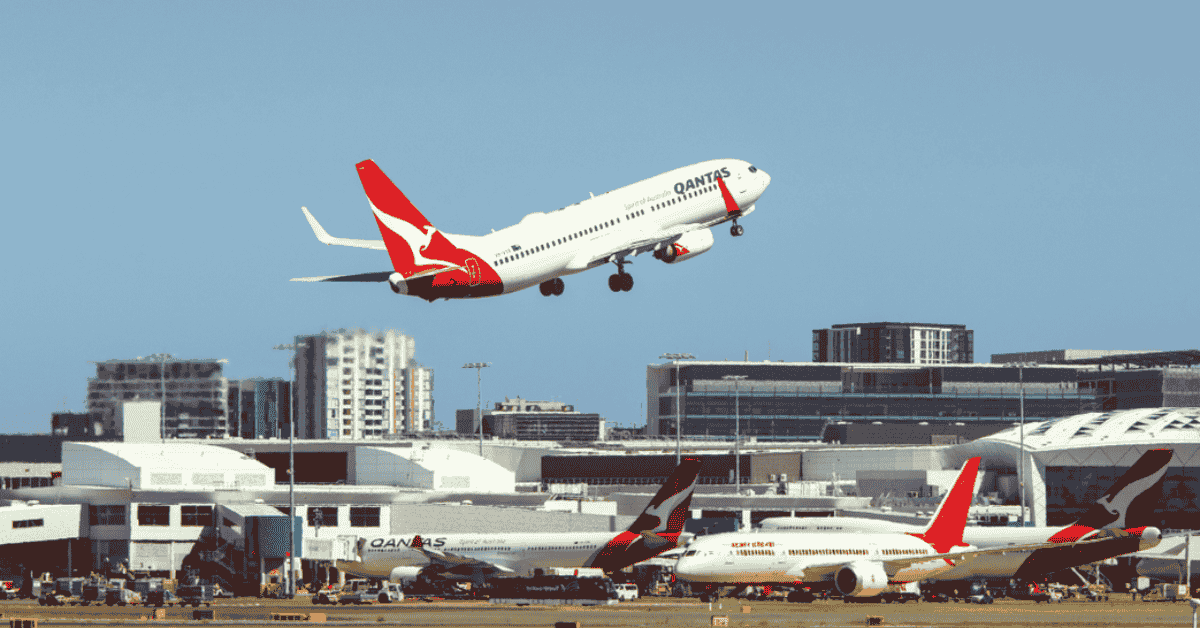
Australia’s aviation sector is expanding rapidly, creating numerous employment opportunities across major international and domestic airports such as Sydney, Melbourne, Brisbane, Perth, and Adelaide. With rising passenger traffic, air cargo volume, and ongoing infrastructure growth, airport jobs in Australia in 2026 offer stable careers with competitive pay, good working conditions, and long-term career paths.
This complete 2026 guide explains job roles, salary ranges, visa and work permit pathways, skills and training requirements, application steps, benefits, and tips for anyone interested in working at Australian airports — whether you’re local or considering a move from abroad.
1. What Are Airport Jobs in Australia?
Airport jobs include a broad range of roles required to keep flight operations, passenger services, safety, and logistics running smoothly. These include positions in:
- Ground handling and ramp operations
- Passenger services and check-in
- Security and screening
- Cargo and warehouse handling
- Technical and maintenance teams
- Retail, hospitality, and customer support
- Management and coordination roles
These jobs vary from entry-level roles that accept freshers to specialised positions requiring formal certifications and experience.
2. Job Roles & Responsibilities in Australian Airports
Here are the common airport job categories you can explore in 2026:
A) Ground Handling & Ramp Staff
- Load/unload luggage and freight
- Operate ground support equipment
- Ensure luggage sorting and safety procedures
- Maintain efficient aircraft turnaround at the gate
B) Passenger Services Agents
- Assist passengers with check-in, boarding, rebooking, and flight information
- Help with customer queries and airport navigation
- Manage VIP or special assistance services
C) Security & Screening Officers
- Conduct baggage and passenger screening
- Monitor restricted areas
- Enforce aviation security protocols
D) Cargo, Warehouse & Logistics Workers
- Handle freight operations
- Track and store cargo items
- Prepare freight for dispatch and customs checks
E) Technical & Maintenance Teams
- Perform aircraft maintenance, ground equipment care
- Ensure facilities are compliant with safety regulations
- Technical staff may include aircraft maintenance engineers requiring aviation certifications
F) Retail & Hospitality Staff
- Work in duty-free shops, food and beverage outlets, lounges
- Provide customer service in retail environments within the airport
3. Eligibility Criteria – Who Can Apply
To work at Australian airports in 2026, applicants typically need:
✔ Minimum age: 18 years
✔ Education: High school completion at minimum; additional diplomas or degrees for specialised roles
✔ Work rights: Must hold legal work rights in Australia (citizen, PR, visa holder)
✔ Language: Good English communication skills
✔ Certifications: Aviation security clearance, first aid, and role-specific licenses for technical jobs
For specialised positions like aircraft maintenance engineers, specific aviation training and licensing (e.g., CASA certifications) may be mandatory.
4. Salary Guide – Airport Jobs in Australia 2026 (Approx)
Here’s a snapshot of average annual earnings (AUD) for common airport roles:
| Job Role | Approx Annual Salary (AUD) |
|---|---|
| Baggage Handler | $55,000 – $70,000 |
| Passenger Service Agent | $58,000 – $75,000 |
| Security Officer | $60,000 – $85,000 |
| Airport Cleaner | $50,000 – $65,000 |
| Cargo/Warehouse Worker | $58,000 – $78,000 |
| Ground Equipment Technician | $70,000 – $95,000 |
| Aircraft Maintenance Engineer | $90,000 – $130,000+ |
| Retail/Hospitality Staff | $52,000 – $72,000 |
Salaries vary by city, employer, airport size, and whether the role includes shift differentials / penalty rates for nights or weekends.
5. Visa & Work Permit Pathways for Foreign Applicants
To work legally in Australia, overseas applicants must hold an appropriate visa. Common options include:
Temporary Skill Shortage Visa (Subclass 482)
✔ Employer sponsorship for mid-level skilled roles
✔ Can lead to permanent employment depending on job and industry
Working Holiday Visa (Subclass 417/462)
✔ Short-term work rights for people from eligible countries (age limits apply)
✔ Useful for entry-level or seasonal airport jobs
Skilled Migration / Employer Nomination
✔ Skilled workers in specialised positions can seek PR through employer-nominated pathways in some cases
Note: Employers hiring on visa pathways must be approved sponsors, and job categories must meet the requirements for visa eligibility and skill level.
6. Skills & Training Required
Essential Skills for Airport Jobs
- English communication for customer and team interaction
- Basic computer literacy for check-in or dispatch roles
- Physical fitness for ground handling jobs
- Safety awareness and teamwork at all levels
Specialised Training and Certification
- Aviation Security Identification Card (ASIC) — required for most roles with passenger contact
- First Aid & WHS (Work Health & Safety) certifications
- Technical training for aircraft maintenance or ground equipment operation
- Forklift and warehouse safety training for logistics roles
Formal training improves employability and may be offered by aviation colleges, TAFE institutions, or on-the-job programs with airlines or airport service companies.
7. Shifts, Working Hours & Benefits
Airport operations run 24×7, so many jobs involve rotating shifts including:
✔ Day, evening, night shifts
✔ Weekends and public holidays
✔ Overtime pay under Australian Fair Work standards
Employee benefits often include:
- Superannuation (retirement contributions)
- Paid annual and sick leave
- Workers’ compensation insurance
- Shift and overtime allowances
8. How to Apply for Airport Jobs in Australia (2026)
Step 1: Prepare Your Documents
- Updated CV in Australian format
- Proof of work rights / visa
- Copies of certifications and training
Step 2: Search Official Channels
- Airport Authority career pages (e.g., Sydney Airport, Melbourne Airport careers)
- Airline careers portals (e.g., Qantas, Virgin Australia)
- Public job boards like Seek, Indeed Australia, LinkedIn Jobs
Step 3: Apply Online
Submit your application with a clear resume and cover letter tailored to the role.
Step 4: Prepare for Interviews
Be ready to discuss your safety knowledge, customer service experience, and team skills.
9. Career Growth in Airport Sector
Airport workers have strong long-term prospects including upward moves to:
- Senior Service Supervisor
- Operations Coordinator
- Security Supervisor
- Ramp or Airport Duty Manager
- Technical Lead or Trainer
With experience and additional qualification, you can progress into supervisory or specialist positions.
10. Tips for Applicants
✔ Verify official employer sources before applying.
✔ Emphasise English communication and safety awareness on your resume.
✔ Be prepared for flexible shift patterns.
✔ For overseas applicants, highlight work rights or visa status clearly.
✔ Gain basic aviation training or certifications if possible.
Conclusion
Airport jobs in Australia in 2026 provide excellent opportunities across ground operations, passenger handling, security, logistics, technical services, and customer support. With competitive salaries, regulated work conditions under Fair Work laws, and potential visa pathways for international applicants, this sector remains a strong choice for stable, long-term employment both for local job seekers and those considering overseas opportunities.
Whether you’re entering as a fresher or aiming for a technical career, Australian airports offer structured roles with room for advancement and skill development.
DISCLAIMER
This article is for informational purposes only and summarizes general trends and roles associated with airport jobs in Australia for 2026. Specific salaries, training requirements, and visa pathways vary by employer, airport authority, and individual circumstances. Always verify job details and visa conditions through official career portals and government immigration resources before applying.
