

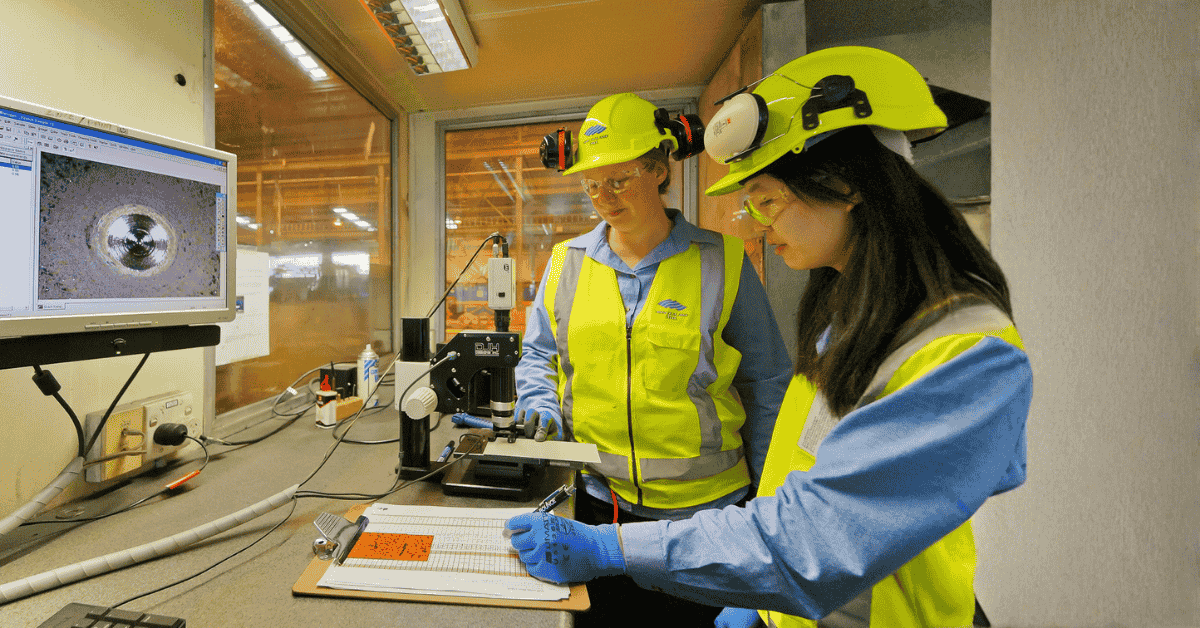
The steel manufacturing sector in New Zealand continues to be a cornerstone of industrial growth and infrastructure development. In 2026, New Zealand Steel and Pacific Steel are actively recruiting for a wide range of factory and mill roles — including rolling mill staff, maintenance engineers, plant helpers, loader operators and general production workers.
This comprehensive guide covers job roles, eligibility, skills, salaries, how to apply, and tips so you can launch or build your career in steel production and heavy industry.
1. Overview – Steel Industry Careers in New Zealand (2026)
Steel manufacturing is essential to many sectors — including construction, automotive, machinery, and export. Both New Zealand Steel and Pacific Steel operate large processing facilities that require reliable, trained staff in core production, plant support, maintenance and logistics.
Key features of steel careers:
- Year-round employment
- Shift work (including nights)
- Hands-on environments
- Opportunities for skill development
- Career progression from entry-level to specialist roles
2. Top Employers Hiring in 2026
A) New Zealand Steel
A major producer of structural steel used nationwide for construction, fabrication, and industrial applications. Its integrated mill near Glenbrook, Auckland is one of the country’s largest heavy industrial employers.
Common job categories:
- Rolling Mill Operators
- Plant Helpers
- Maintenance Technicians / Engineers
- Quality & Inspection Staff
- Logistics & Warehouse Operators
B) Pacific Steel
A major steel supplier with facilities focused on processing and distribution. Positions often include:
- Mill support roles
- Crane and loader operators
- Yard and warehouse support
- Maintenance and technical roles
3. Key Job Roles & Responsibilities (2026)
Below are the most common positions advertised across both employers:
A) Rolling Mill Staff / Mill Operator
Role Overview
- Monitor and operate rolling mill equipment
- Adjust machine settings for size, thickness, finish
- Ensure quality output and consistent production rates
- Report defects or downtime
Skills & Traits
✔ Mechanical aptitude
✔ Ability to follow SOPs
✔ Focus on safety and quality
✔ Physical stamina for long shifts
B) Maintenance Engineer / Technician
Role Overview
- Perform preventive and corrective maintenance
- Repair electrical, mechanical and hydraulic systems
- Support shutdown projects and critical faults
- Work with maintenance planning teams
Preferred Skills
✔ Engineering diploma or trade qualification
✔ Welding, PLC and machine diagnostics
✔ Problem-solving and fault-finding
✔ Manufacturing maintenance experience
C) Plant Helper / Production Support
Role Overview
- Assist operators with material handling
- Clean work areas and support teams
- Load/unload consumables and supplies
- Partner with loaders, fitters and process crews
Skills Required
✔ Reliability and teamwork
✔ Basic understanding of manufacturing flow
✔ Attention to safety rules
✔ Willingness to learn
D) Loader Operator / Yard Technician
Role Overview
- Operate wheel loaders, forklifts, and yard equipment
- Move steel products and raw materials
- Stage stock for processing or dispatch
- Support logistics and warehouse tasks
Skills Required
✔ Valid forklift / loader certifications (advantage)
✔ Machine/yard safety awareness
✔ Good spatial judgment
✔ Team coordination
E) Quality Control / Inspection Assistant
Role Overview
- Conduct measurements and tests on steel products
- Check surface quality, physical dimensions and hardness
- Log data and support quality reporting
Skills Required
✔ Precision and accuracy
✔ Ability with measurement tools
✔ Understanding of inspection standards
✔ Report and record data clearly
4. Eligibility & Skills – What Employers Look For
Basic Requirements
✔ Age: 18+
✔ Right to work in New Zealand (citizen, resident, or valid work visa)
✔ Good English communication
✔ Teamwork and safety awareness
Useful Qualifications
- NCEA Level 2 or equivalent (for general roles)
- Trade certificates (fitting, machining, electrical)
- Engineering diplomas (mechanical/electrical)
- Forklift / loader licences
While some roles require specific qualifications, many entry-level positions accept motivated candidates willing to train on the job.
5. Salary Guide – Steel Factory Jobs 2026
| Job Role | Typical Salary (Annual NZD) |
|---|---|
| Rolling Mill Staff / Operator | $55,000 – $75,000 |
| Plant Helper / Production Support | $45,000 – $60,000 |
| Loader / Forklift Operator | $50,000 – $70,000 |
| Maintenance Technician | $65,000 – $90,000 |
| Maintenance Engineer / Specialist | $80,000 – $115,000+ |
| Quality Control Assistant | $55,000 – $75,000 |
Actual pay can vary by shift patterns (night premiums), experience and site location.
6. Work Environment & Shifts
Steel manufacturing facilities often operate 24/7, meaning:
- Rotating shifts (day, swing, night)
- Weekends and public holiday shifts
- PPE provided (boots, gloves, glasses, hearing protection)
- Safety briefings before shift starts
Expect a hands-on and fast-paced industrial environment with strong safety protocols.
7. How to Apply – Step by Step (2026)
Step 1: Prepare Your CV
Include:
- Contact details
- Work history (employment/training)
- Qualifications and licences
- Shift availability
Step 2: Search Official Job Listings
Look for current openings on:
- New Zealand Steel career pages
- Pacific Steel / Steel & Tube careers
- Job portals like SEEK NZ
- Indeed NZ, Jora NZ, LinkedIn Jobs
Search using keywords like:
“rolling mill operator”, “steel plant helper NZ”, “maintenance technician steel NZ”, “loader operator steel plant”.
Step 3: Submit Application Online
Upload your CV and, if requested:
- Cover letter
- Copies of licences/certificates
Step 4: Interview & Assessment
You may be invited for:
- Phone or video interview
- Practical assessment
- Safety briefing or plant orientation
8. Training Support & Career Development
Most employers provide:
✔ Workplace induction and safety training
✔ Role-specific machine training
✔ Mentorship from experienced staff
✔ Career progression paths (operator → senior operator → team leader → supervisor)
Some may support further study such as:
- Plumbing/electrical trades
- Mechanical engineering pathways
- Leadership and supervision courses
9. FAQs – Steel Factory Careers 2026
Q1. Do I need experience to apply?
No — many helper and operator roles offer on-the-job training for motivated candidates.
Q2. Are these jobs shift-based?
Yes — steel plants operate continuously, so flexibility with shifts is important.
Q3. Can international candidates apply?
Yes — if you have valid work rights or visa sponsorship as required.
Q4. Is safety training provided?
Yes — safety induction is mandatory at all steel manufacturing sites.
Q5. What growth opportunities are there?
You can progress to:
- Senior Operator
- Maintenance Specialist
- Team Leader
- Engineering Coordinator
- Operations Supervisor
10. Tips to Boost Your Hiring Chances
✔ Tailor your CV to steel/industrial roles
✔ Highlight teamwork, safety awareness and reliability
✔ Include licences (forklift, loader)
✔ Show willingness to work shifts
✔ Prepare for safety-focused interview questions
Conclusion
New Zealand Steel & Pacific Steel careers in 2026 offer excellent opportunities for entry-level workers and skilled technicians alike. With solid wages, strong training support, and long-term growth routes, these roles are ideal for those looking to build a stable industrial career.
Whether you’re seeking a job as a rolling mill operator, plant helper, maintenance engineer or loader operator, now is a great time to apply — these major employers are actively expanding and hiring qualified individuals.
Disclaimer
This article is provided for informational purposes only. Job openings, salaries, eligibility, and application details may vary by employer and change over time. Always verify information through official career pages or verified job portals before applying.
